Modular Solutions is often asked what do we do if our new building is in a FEMA wildfire zone? FEMA has a great informational pamphlet with lots of tips on construction methods and solutions in a wildfire zone.
Some important highlights from the pamphlet:
- Maintain a defensible space: A space where combustibles and other fire hazards are not near the adjacent to or around the vicinity of your new modular building
- Fire Resistance Rating: Fire ratings are assigned and various levels can be designed to the new modular building based on materials, and construction methods
- Noncombustible building: Noncombustible buildings are designed and contain materials that are considered noncombustible. The new building in whole will resist flames
- Wildland urban interface (WUI): This is the rating that is given to properties near or in wildfire regions. If you are considering purchasing a property in an WUI are know that you may face special construction methods and requirements to get occupancy of your new building.
- Wind patterns: Wind can bring a fire closer to you or move it away from you. Designing wind mitigation can be a part of the overall planning process.
If you would like to learn more about how to build in a FEMA wildfire zone request the pamphlet from our team: information@Mod-sol.com with FEMA wildfire brochure in the subject
Arizona has a department of forestry and fire management that monitors and coordinates all of the wildfires in the state. They are also an excellent resource if your new building will be placed in a WUI.
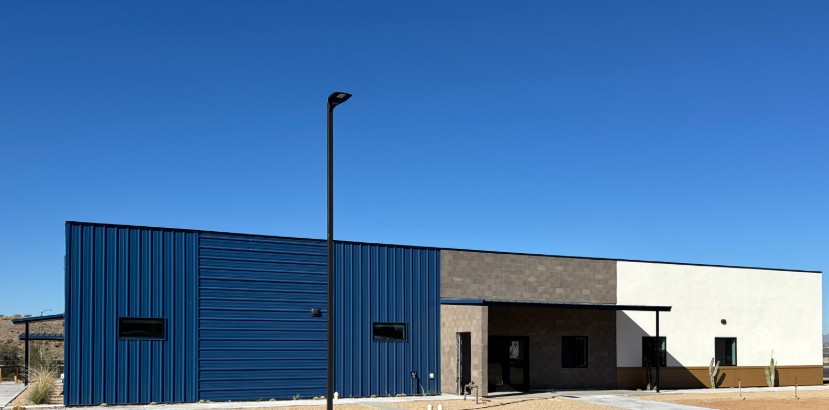
Modular Solutions recently provided a new modular building for their agency with state of the art monitoring and communication equipment. Arizona department of forestry and fire management chose Modular Solutions for their new facility and was proud to open on time, and within budget this year. Some great design features included mixed materials for a modern architectural design. We also included energy star and energy efficient design for all of their mechanical and other high energy use items. The windows and doors were strategically placed to ensure natural lighting with lower heat penetration. Desert plants were utilized for low water use landscape. A back up generator was critical to keeping all functions open if a storm or other power failure took the power grid off line.